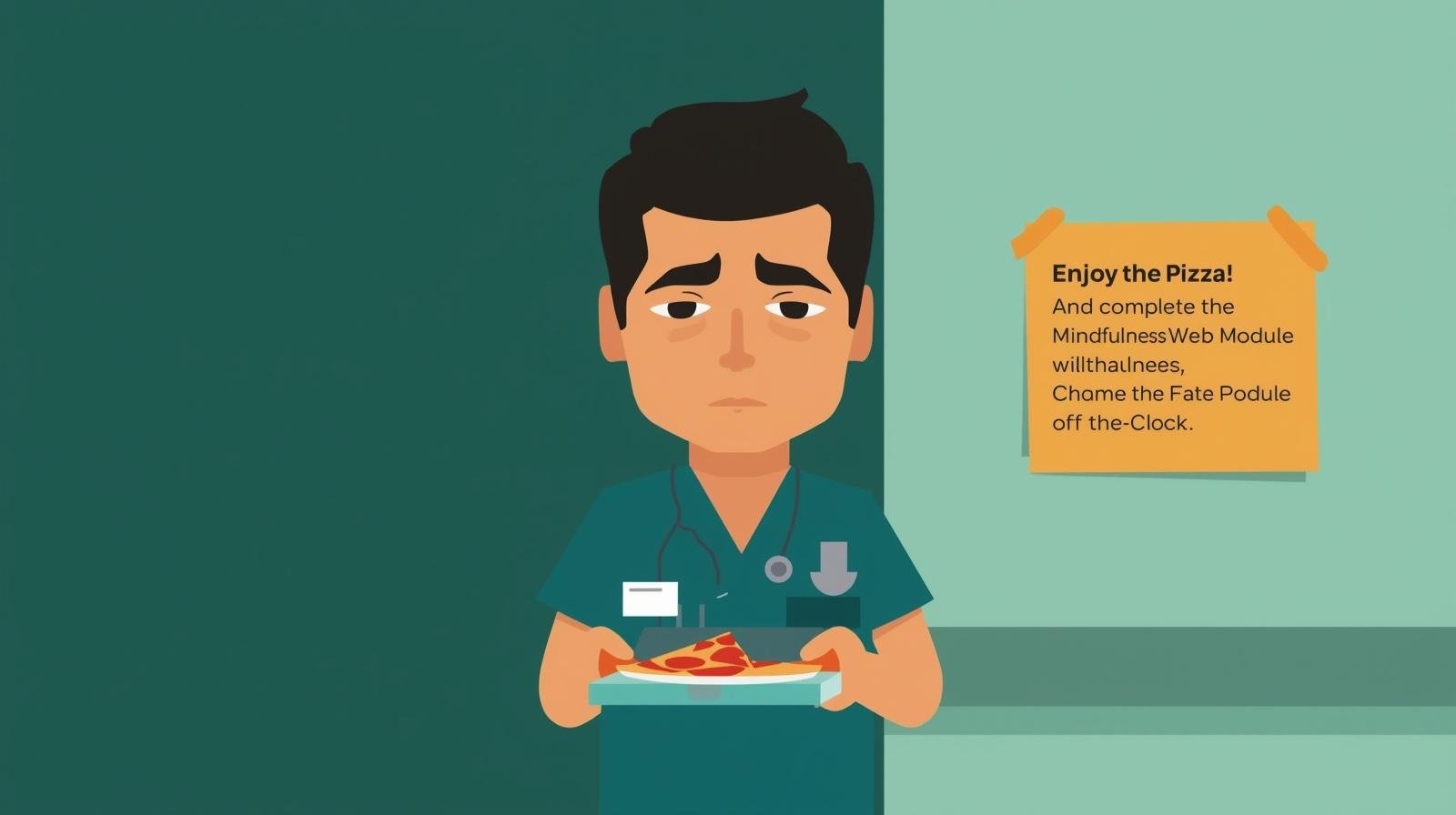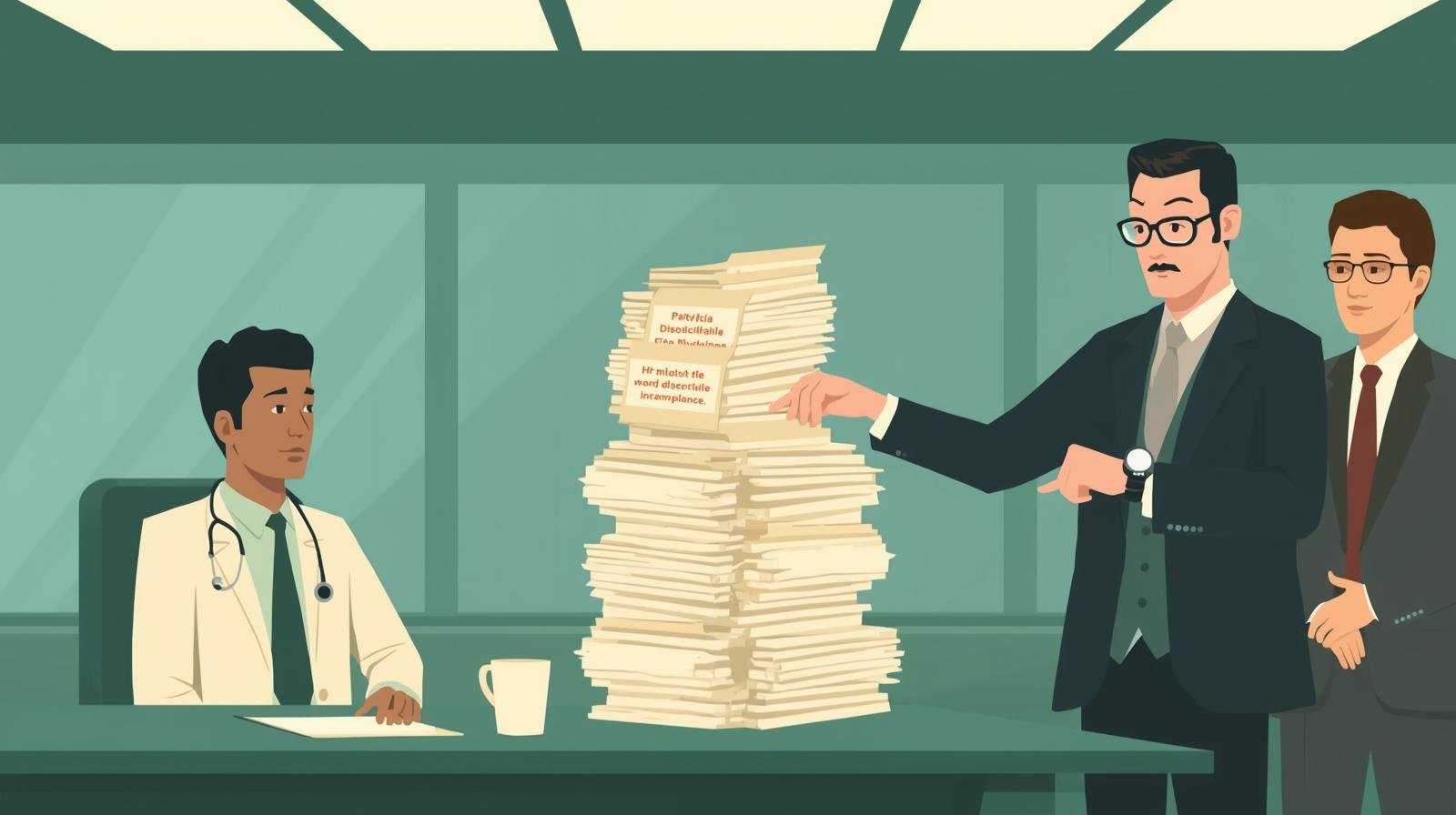
Every emergency department has a Sarah. Sarah is a charge nurse who possesses the unique, battle-hardened ability to interpret four different cardiac alarms simultaneously while eating a stale graham cracker out of her pocket. She is currently on hour ten of a twelve-hour shift that has featured two code blues, a broken Pyxis machine, and a waiting room that currently looks like a disaster triage center.
The air in the ER smells like bleach and sheer adrenaline.
Suddenly, the automatic double doors swing open. It isn’t a trauma surgeon. It isn’t the blood bank. It is Mrs. Tally Wacker, the newly appointed Senior Vice President of Enterprise Throughput and Synergistic Logistics.
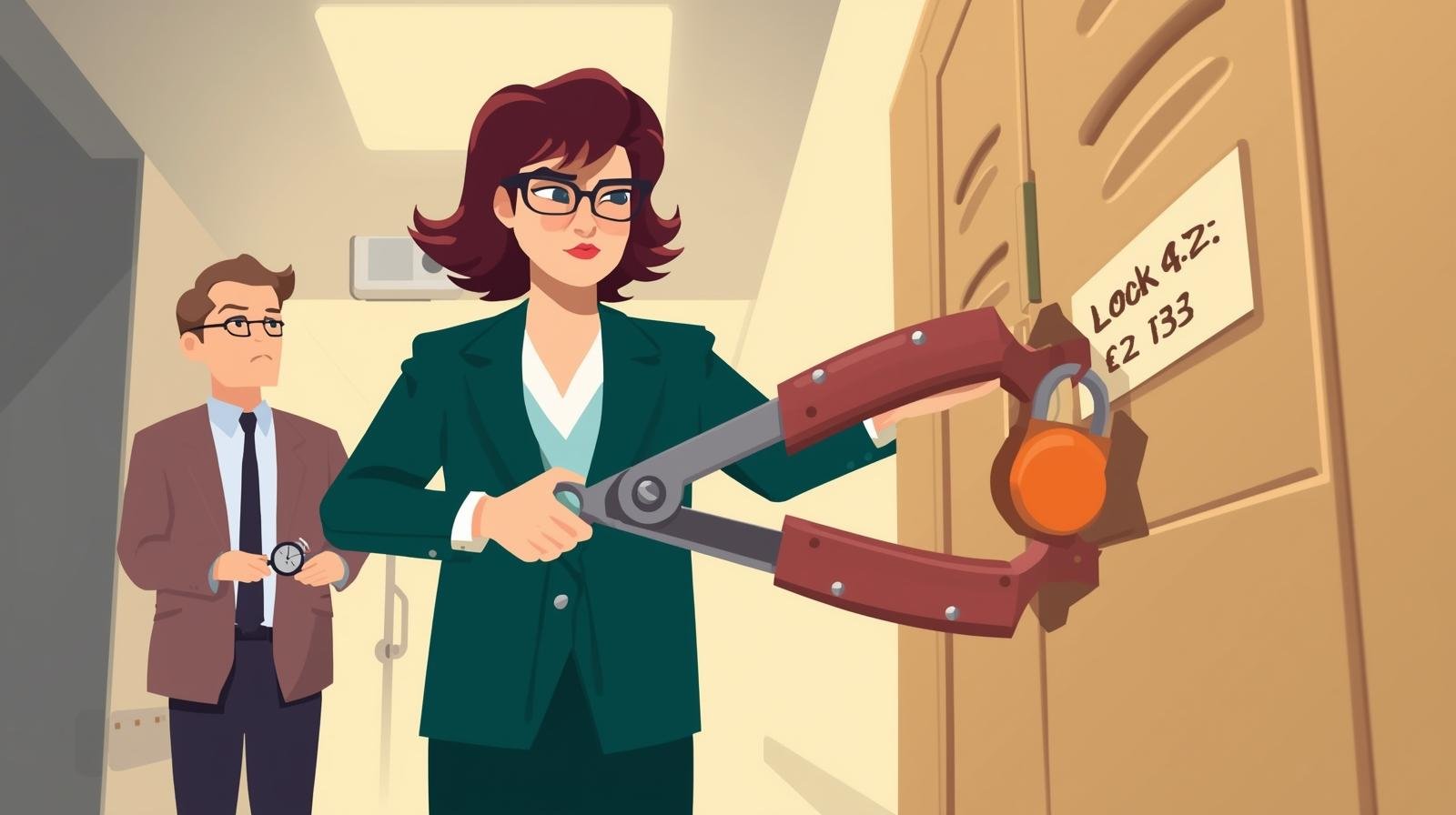
Mrs. Tally Wacker is wearing a pristine pastel blazer, sensible but expensive flats that have never stepped in a biological fluid, and a deeply concerned expression. She is armed with the most dangerous weapon in modern corporate healthcare: a color-coded clipboard attached to a Lean Six Sigma certification.
Mrs. Tally Wacker does not know how to start an IV. She does not know the dosage for epinephrine. But she does know, down to the exact decimal point, the “Optimal Door-to-Discharge Ratio” for a Tuesday afternoon.
As Sarah is sprinting past the nurse’s station carrying three bags of saline, Mrs. Tally Wacker steps directly into her path.
“Sarah, a quick touchbase,” Mrs. Tally Wacker says, tapping a freshly manicured fingernail against her clipboard. “I’m looking at our real-time dashboard analytics, and we are currently operating in the red. Bed 4 has been occupied for exactly forty-two minutes past our target synergy window. Can we expedite their healing journey to free up the asset?”
Sarah stops. She blinks slowly.
“Mrs. Tally Wacker,” Sarah says, trying to keep her voice level, “Bed 4 is currently occupied by a 72-year-old man whose blood pressure is playing a very dangerous game of limbo. We are trying to stabilize him before his organs shut down.”
Mrs. Tally Wacker frowns, making a small notation on her clipboard. “Right, I understand there are clinical variables. But from a purely operational bandwidth perspective, the bottleneck in Bed 4 is negatively impacting our waiting room capture rate. Is there any way we can pivot him to a hallway chair to optimize the metric?”
She isn’t joking. To Mrs. Tally Wacker, the hospital is not a place where biological crises are managed; it is a retail logistics center. Patients are not human beings in pain; they are “assets” that need to be processed on a conveyor belt. If a patient takes too long to stabilize, they are ruining her pie charts.
When the floor is drowning, administration doesn’t send reinforcements. They send Mrs. Tally Wacker to stand in the way and ask why the drowning isn’t happening more efficiently.
And when Sarah inevitably refuses to compromise a fragile patient’s safety just to turn a red cell green on a spreadsheet, Mrs. Tally Wacker will quietly make a note on her clipboard. She will flag Sarah as “resistant to operational flow” and “lacking corporate synergy.” The corporate machine will attempt to punish the clinician for prioritizing human life over an arbitrary time-stamp.
But medical reality does not bend to corporate math. And the next time Mrs. Tally Wacker brings a clipboard to a code blue, the clinicians aren’t just going to nod and apologize. They are going to document exactly who requested a hallway discharge for an unstable patient, they are going to copy Risk Management, and they are going to make the administration own their ridiculous demands in writing.
Share This Story, Choose Your Platform!
The Anonymous Chronicles: Turning Trauma Into Tales
We can’t change what happened to Helyn, but we can change how your story is told.
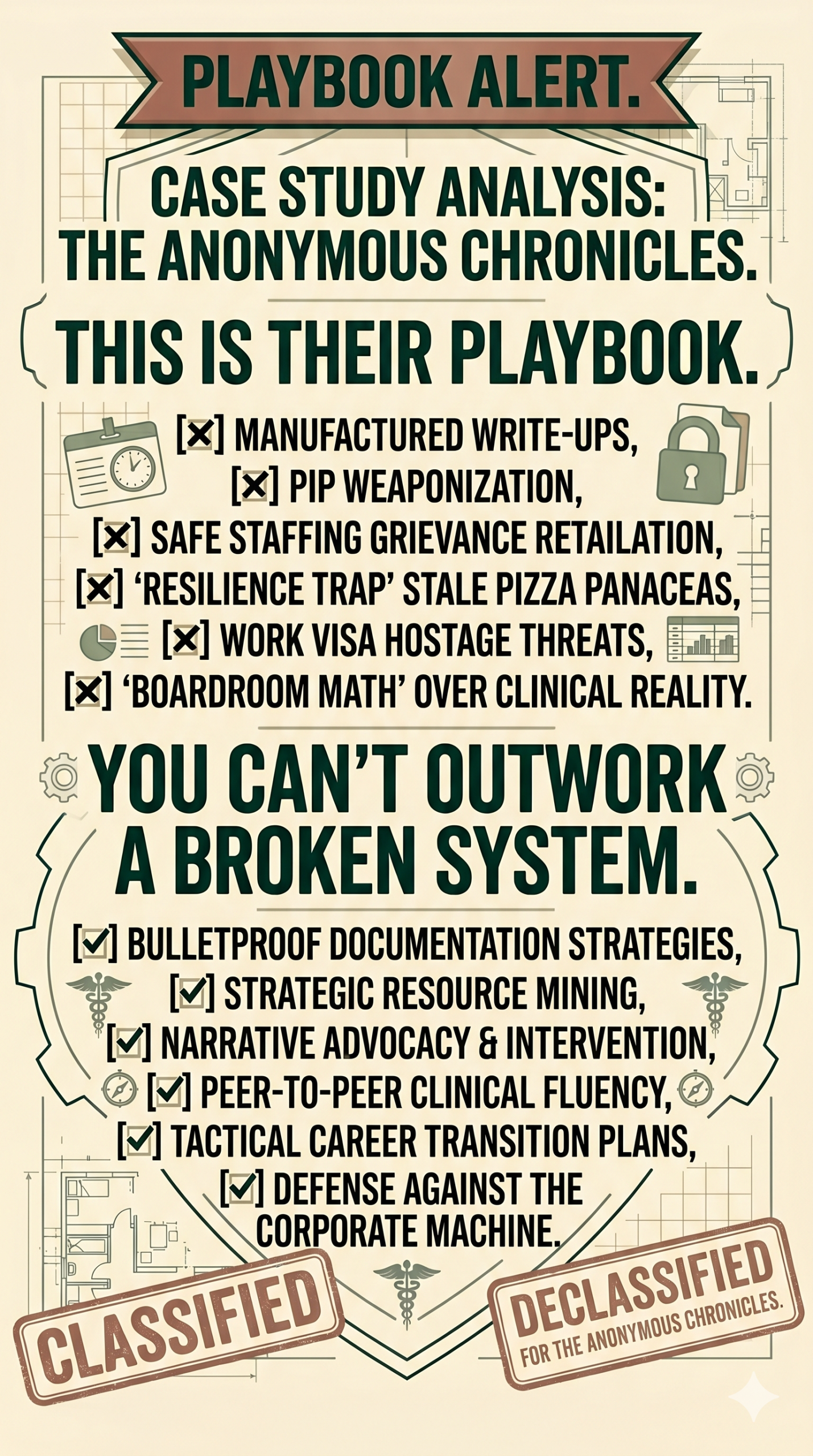
In healthcare, “The Machine” relies on you being too exhausted or terrified of retaliation to speak out. That is why we created The Anonymous Chronicles. We take your painful experiences, strip away your identifying details, and weaponize the satire. We protect the heroes, honor the patients, and put the HR administrators exactly where they belong: in the punchline.
Want to see how we translated my grandmother’s tragedy into a satirical takedown of corporate healthcare? Or are you ready to submit your own run-in with a “Chad” or a “Brenda”?